
Being creative can be tough when bad news abounds. Yet taking the creative, challenging coach role through turbulence is a hero’s journey that matters greatly as we recover and build anew.
How can you build trust to guide change in today’s turbulent times?
My colleague, Liz Guthridge, wrote a helpful post about the Trusted Advisor role in supporting the work of leaders at all levels, outlining what we covered in our session at a change conference last year that is still instructive today:
[Liz] re-read David Maister’s tips, primarily from his book, The Trusted Advisor…[a] 2000 classic. …Some favorite things:
- “I am not the center of the universe.”
- “A point of view doesn’t commit you for life.”
- “Reach out to notice, and acknowledge, something that has been held back in or about the other person.”
- “Who am I serving by my present approach?”
- “Assigning blame will trap me; taking responsibility will empower me.”
Liz’s full post is here.
Liz’s concepts including “taking responsibility” for adapting to change, resonate today, based on what I experienced when I met a new group at the recent Michigan Management Labor Association conference in Lansing, Michigan.
Necessity can create a solid spirit of cooperation among what used to be old adversaries. This used to create so much drama, as in the Karpman Drama Triangle:

Moving away from a victim, rescuer, persecutor mentality (The Drama Triangle) to positive new roles can create success. David Emerald has created an “empowerment dynamic” flip to the Drama Triangle, focusing on the roles of:
- Creator (instead of Victim)
- Challenger (instead of Persecutor)
- Coach (instead of Rescuer)
I met three Ford staff at the ACMP global change conference last year, two UAW members wearing their blue Ford jackets from the manufacturing/union side, and one staffer. I could certainly sense a new spirit of recovery and renewal in talking with them, at that time, especially from the UAW side.
How you respond to the challenge in the second half will determine what you become after the game, whether you are a winner or a loser.
~ Lou Holtz, retired American football coach
(Click on any photo to enlarge and to rotate the photo gallery.)
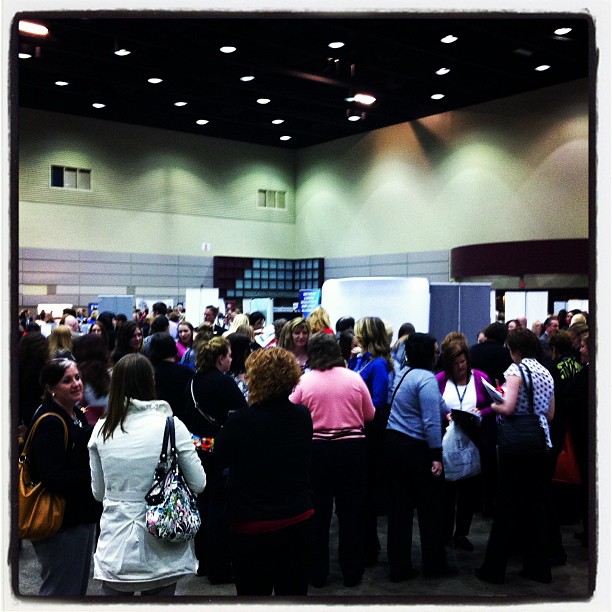
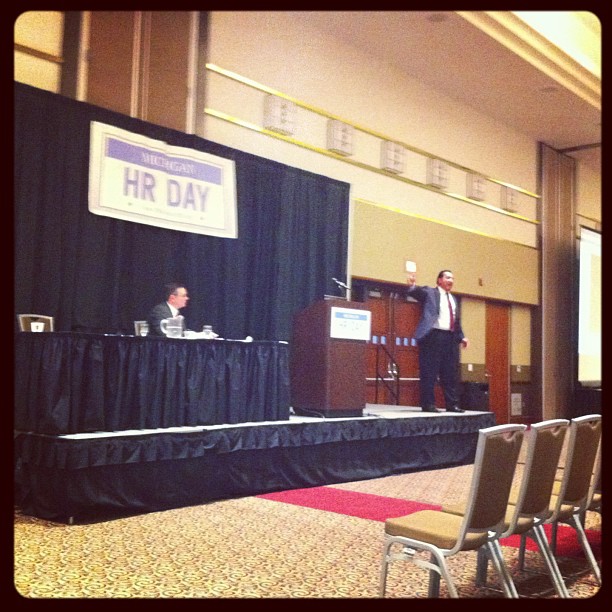
What does it mean to be a trusted change advisor today?
What does it mean to be a trusted change guide today?
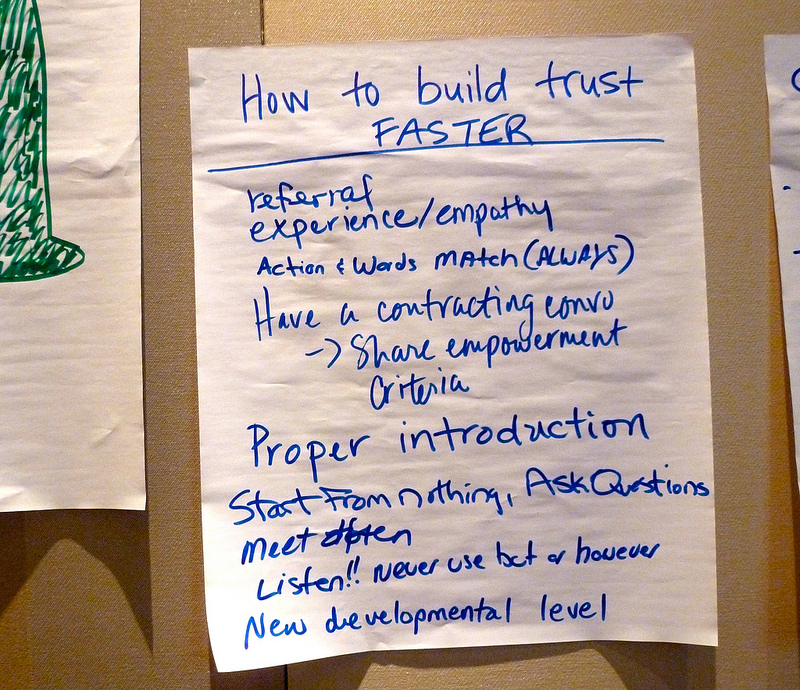
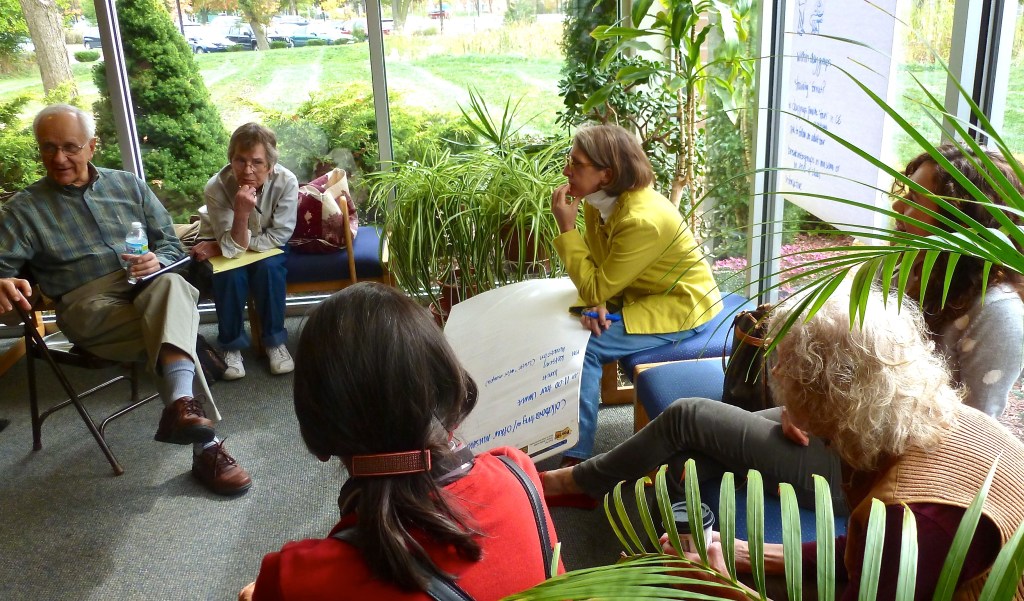
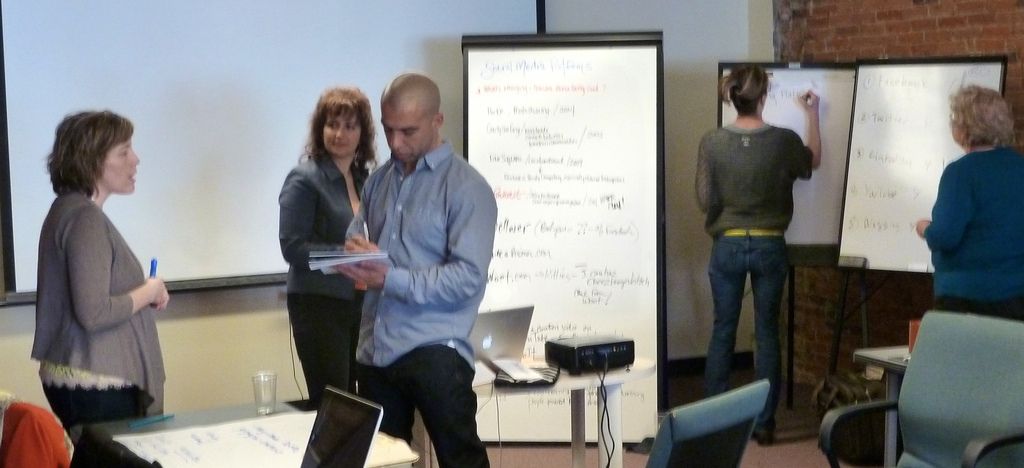
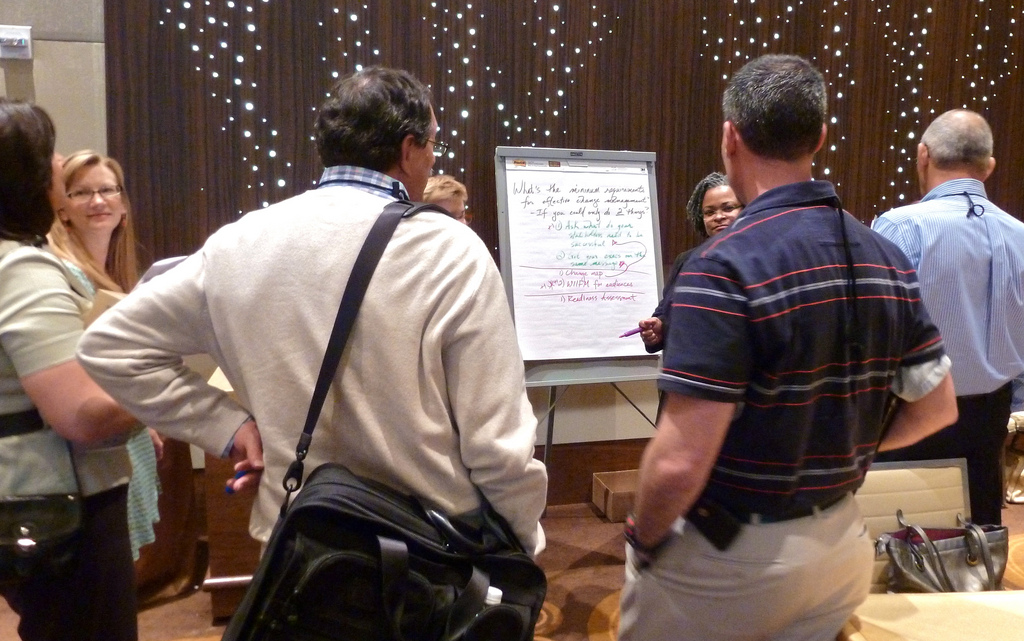
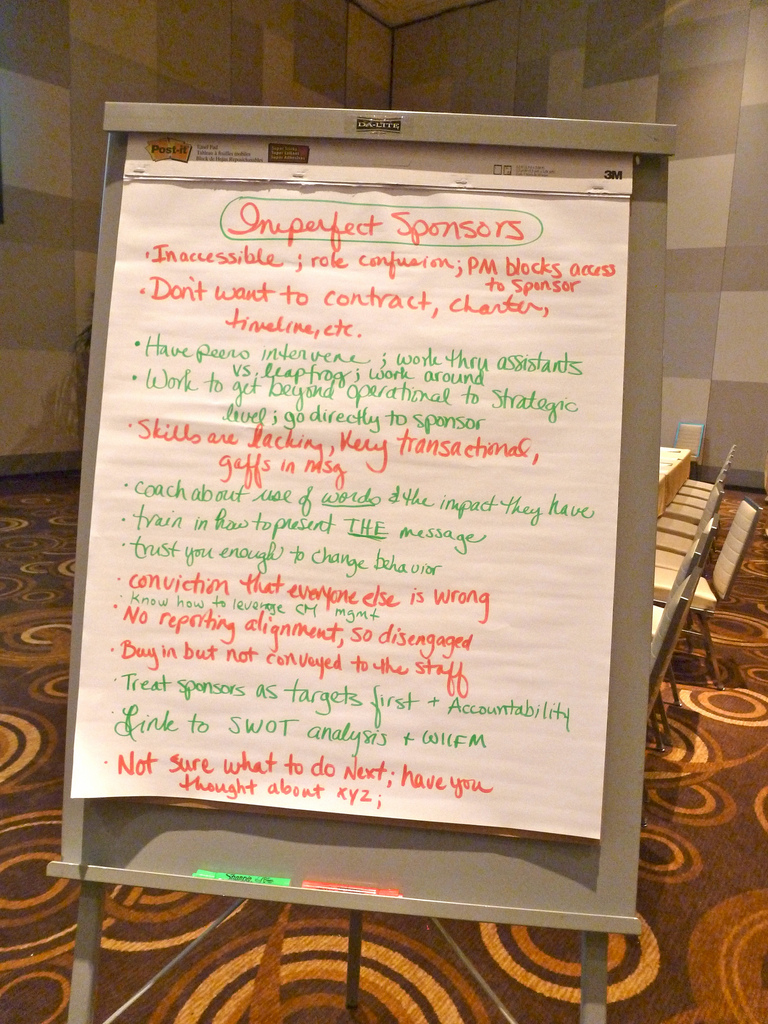
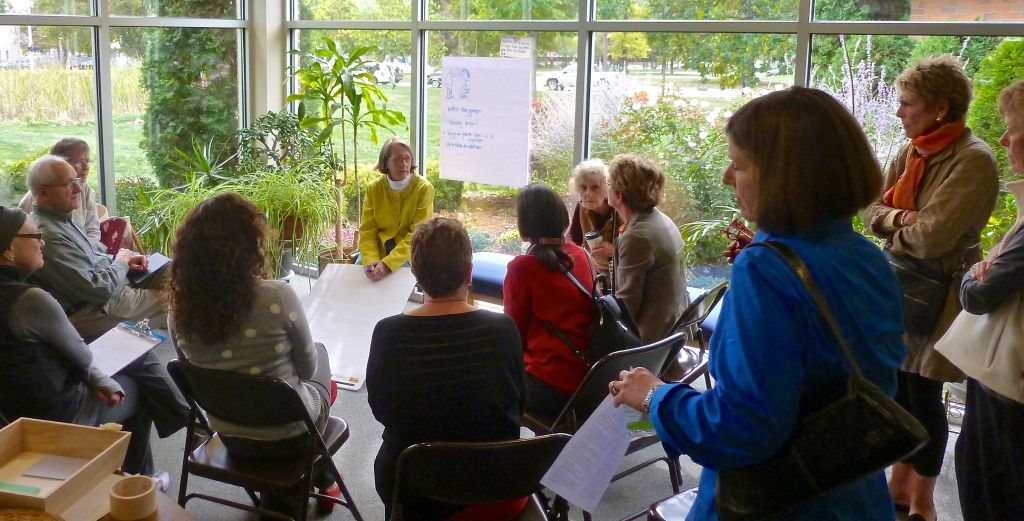
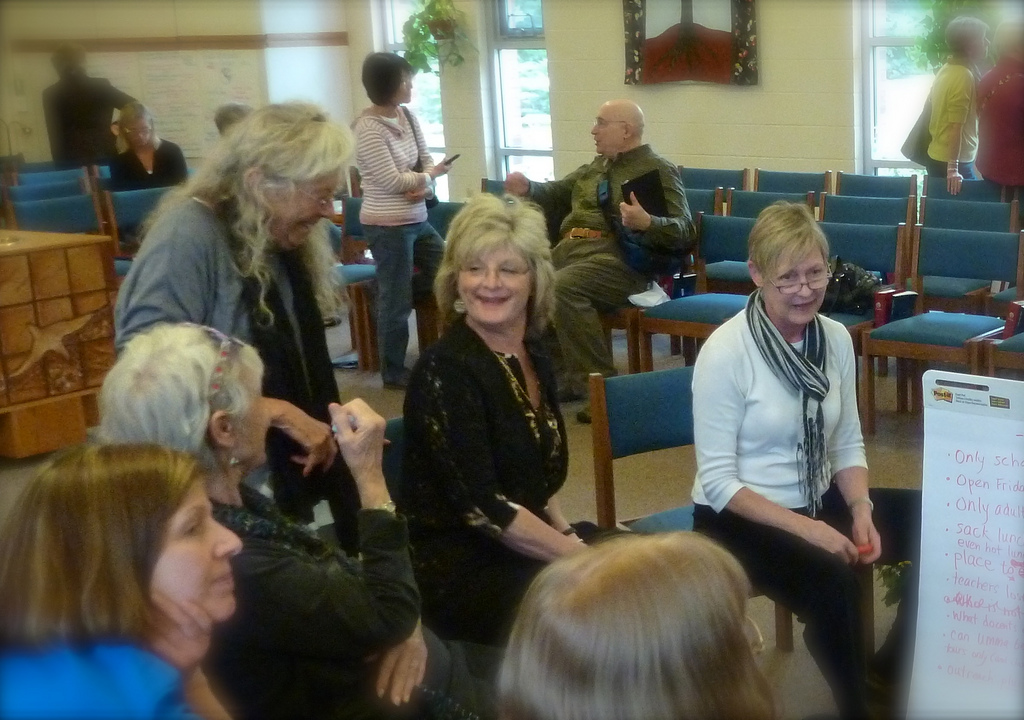
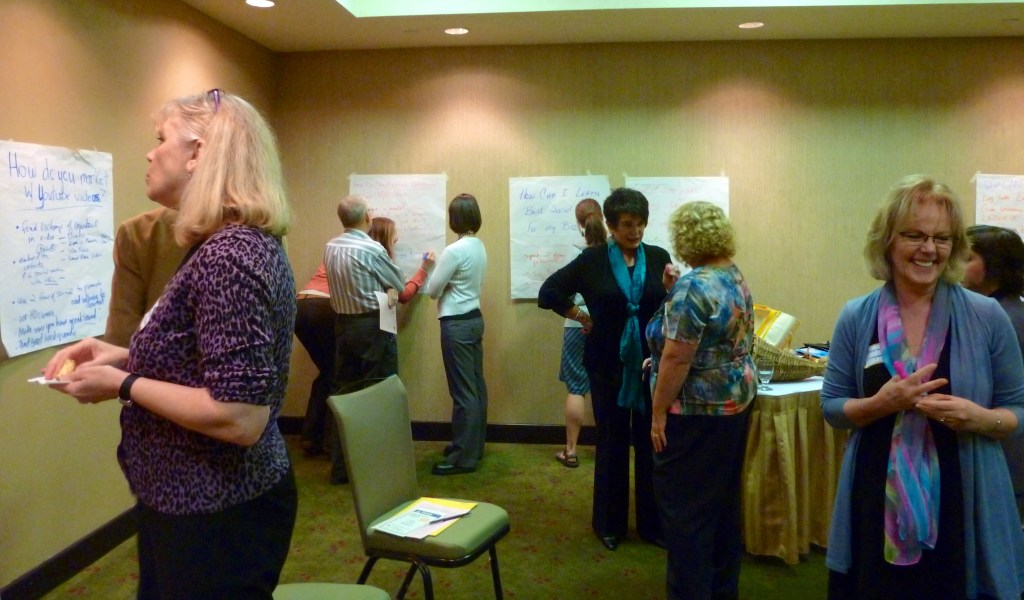
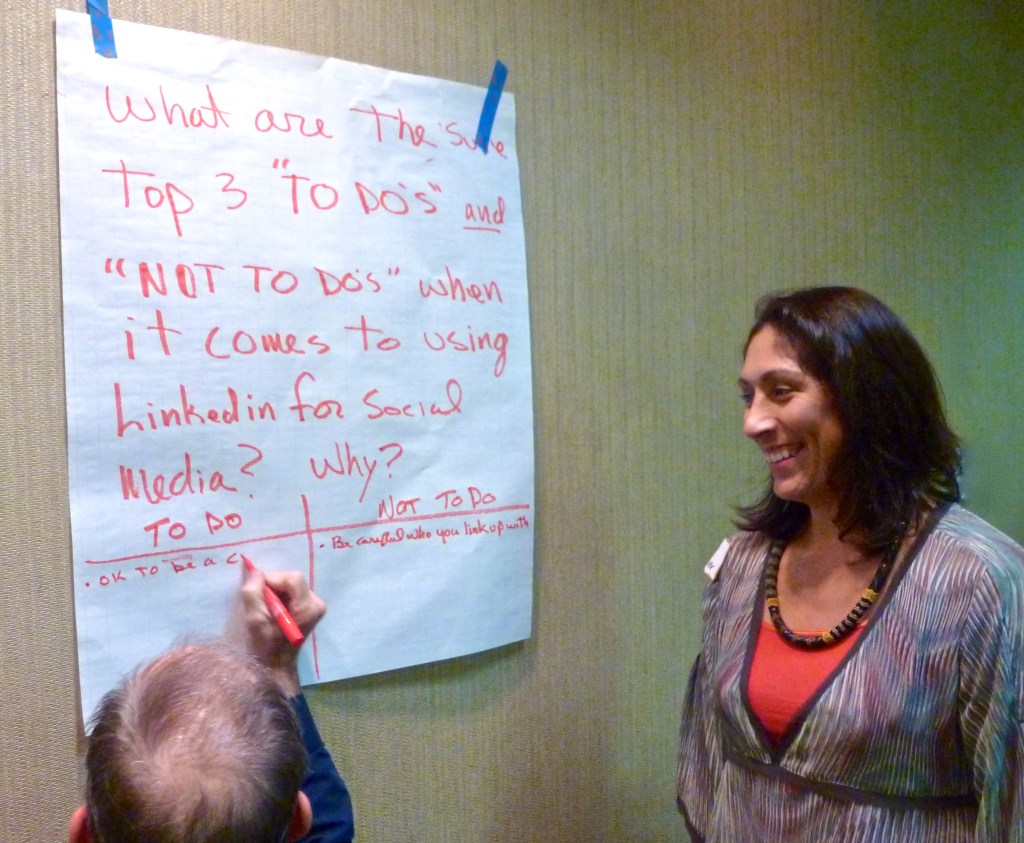
Here are a few photos to consider for the challenge, coach and create roles, beyond the drama, using Open Space Technology for emergent, new ideas.
Can you spot the victim language in one of the photos below? Can you also spot the productive responses to it?
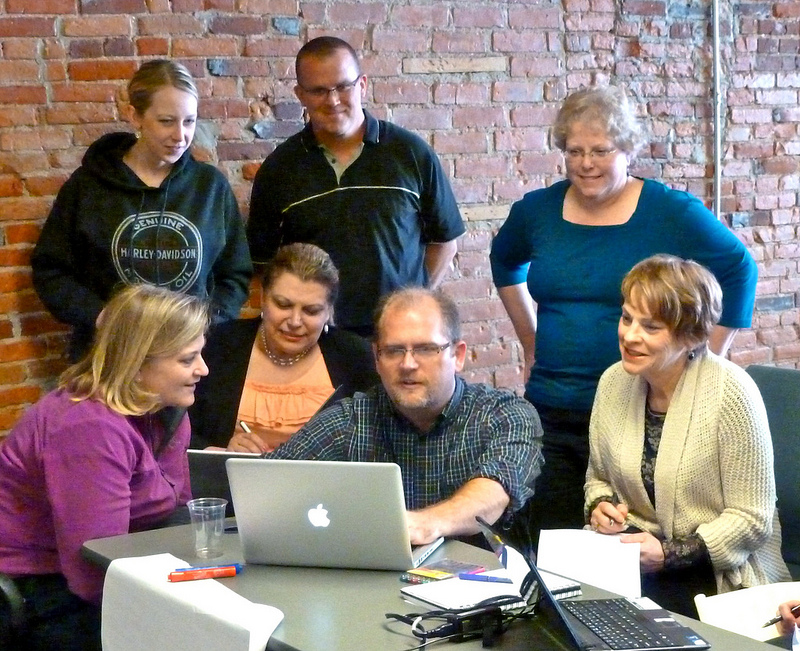
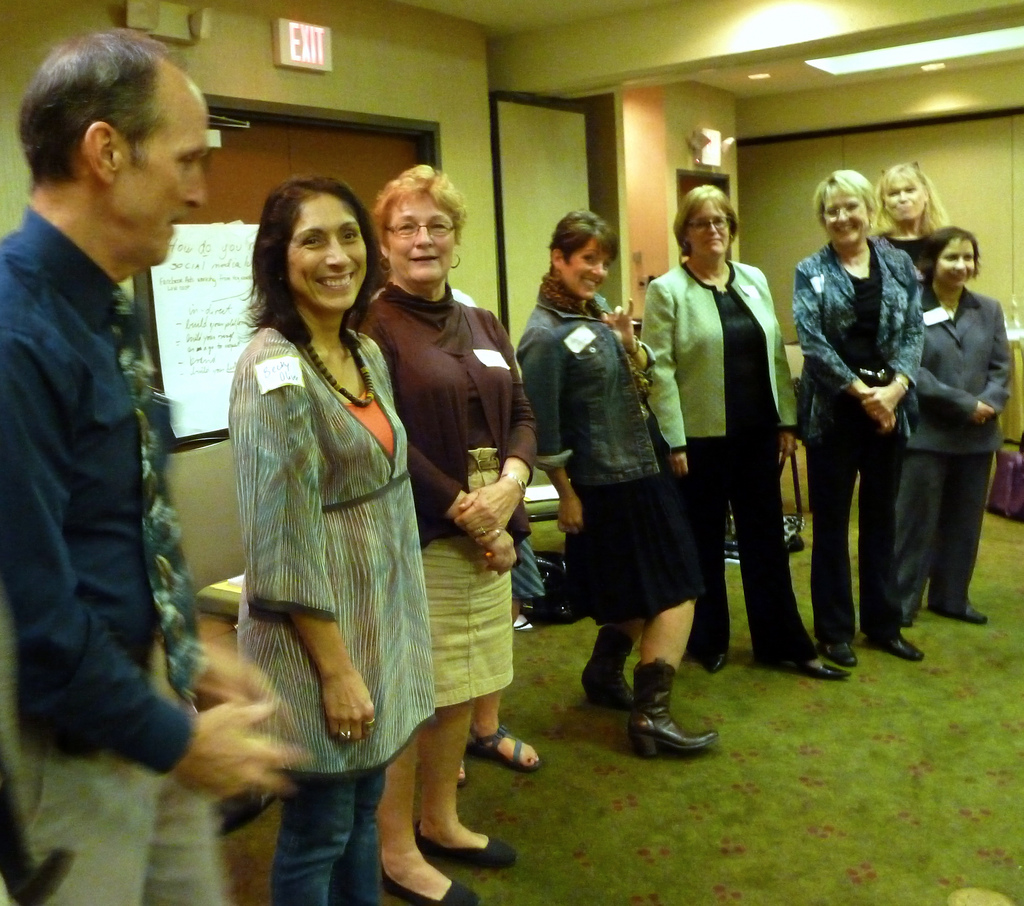
Other questions that guided our discussion last year that may be useful to those adapting to change today are:
- How to balance different approaches, including evidence-based management and visionary, creative thinking
- How to earn trust quickly and help time-pressured leaders navigate the discomfort of change
- How to deal with being lonely in the change leader role while your leaders are lonely at the top
Here are some of the photos that capture those moments:
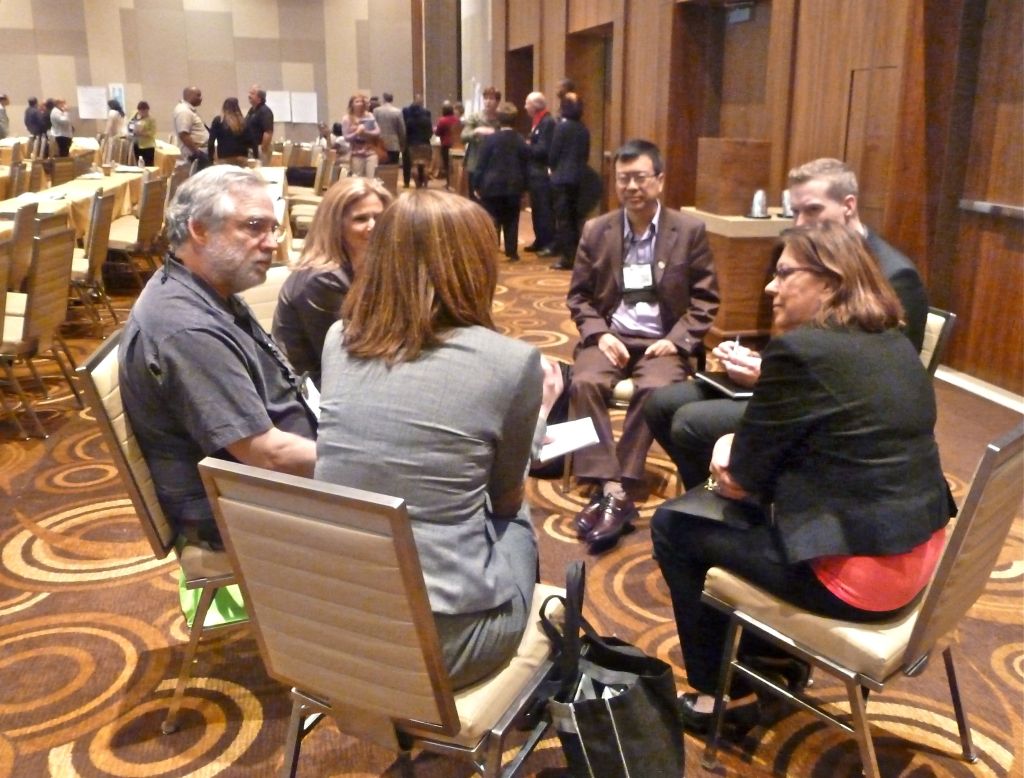
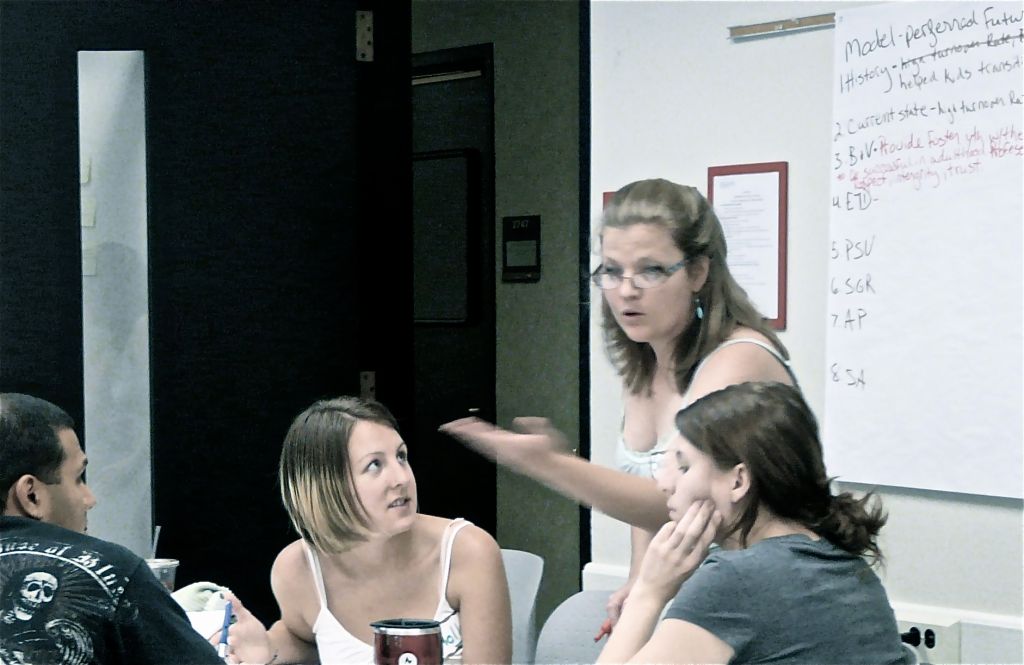
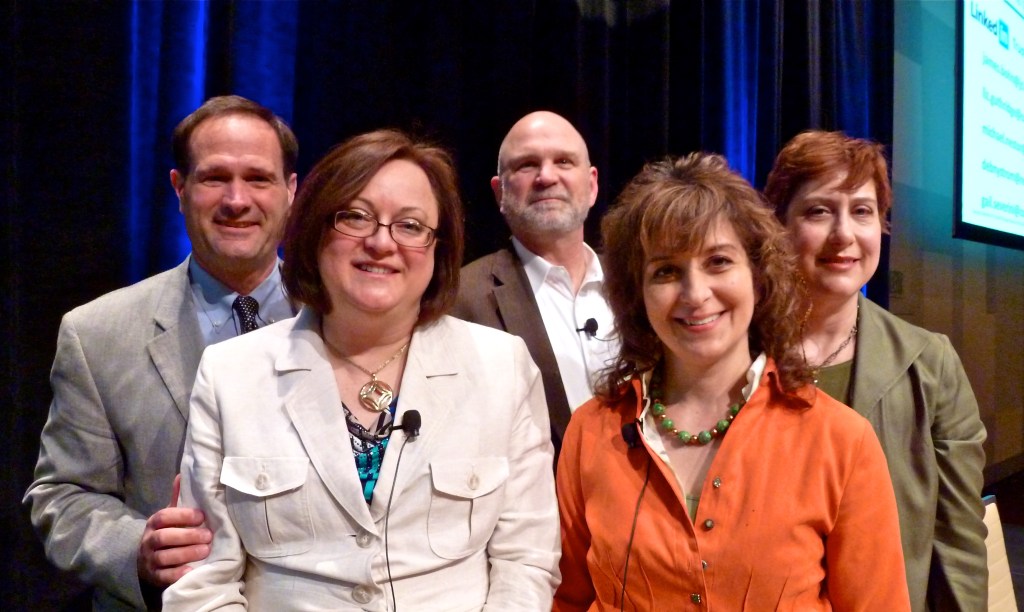
My take aways today:
- Make room mentally for processes that encourage adaptation and emergent learning toward creative-challenge-coach responses, ESPECIALLY if you are used to a structured, project management style way of working.
- Resistance is a signal, a resource, and is data for your change plan response.
- Consider that apathy and compliance may be the real enemies of change that fails to reach traction, not necessarily resistance.
- Promote tools that capture who is where in the change process, or sensing to get clear on what’s changing and what’s not, in order to adapt.
- Adaptive roles of creator, challenger, and coach can give new life to those stuck in apathy and compliance.
There are always options for what you choose to do and not do. Leadership is a role available at any time, beyond any job title.
“…from the popular culture to the propaganda system, there is constant pressure to make people feel that they are helpless, that the only role they can have is to ratify decisions and to consume.”
― Noam Chomsky
Find out more:
Deb Nystrom
Deb is an organization development, team facilitation, and retreats specialist. She is also mostly retired, doing fun things with REVELN Gardens for small groups, featuring locally grown flowers for florists and small events, and heirloom tomatoes. Contact Deb here to find out more. Deb is on LinkedIn as well. View more posts

This work is licensed under a Creative Commons Attribution-NoDerivs 3.0 Unported License. This post was originally written in 2013. It was updated with refreshed links in 2026, including access to Deb’s one-page overview of Open Space Technology.
 Reveln Consulting